More on Safety & OSHA Compliance
Imagine you’re a worker facing numerous hazards every minute you are at work.
What is Your Safety Goal?
It’s 7 hours into your shift and it’s hot. You’re hungry and looking forward to seeing your family soon. Sweat is dripping down your brow as you approach your work area. You examine everything near and far, looking for obstacles and hazards you must avoid, as you think ahead and plan your next actions. You visualize all the steps you must take and the risks that could happen.
Your job is quite difficult and there is no room for error. A foot off there or 1 inch too close here, and something bad happens. If you get complacent, distracted, or set your mind on autopilot, instead of consciously thinking during your entire shift, the result may end in tragedy.
But you are not alone.
You are trained well with your equipment and so are the others around you. The equipment is well-maintained. Everyone is empowered to ‘stop the job’ when they notice an unsafe situation. The company is led by caring leaders who support their employees and proactively take action to keep everyone safe. Employees are comforted by knowing what’s required to protect themselves and their teammates.
This company is a ‘Zero Hero’ and is accident-free.
OSHA’s Wants You to be an Employee Safety “Zero Hero”
OSHA regularly praises “Zero Heroes”. They are participants in their Voluntary Protection Program (VPP) and record zero accidents for the year. Recently, OSHA has recognized companies like Plains End LLC, Onward Energy, and Hellman & Associates for their perfect safety record. Lancaster Safety Consulting, Inc. has been a proud OSHA VPP Star Site since 2010. Our consultants visit hundreds of client worksites each year and face many of the same hazards their employees see daily. We are a ‘Zero Hero’ ourselves! We highly recommend all businesses join the VPP and elevate their safety beyond the minimum standard to become a ‘Zero Heroes’.

However, we realize the large commitment this takes, especially for small businesses without any dedicated safety staff. But if you are interested, we can help you with the VPP application and certification process! It is crucial to note that being accident-free doesn’t happen overnight!
OSHA does not want employees or supervisors to get in the habit of under-reporting injuries or unsafe acts to or maintain a zero-accident status. Reporting any injury, illness, unsafe act or condition is key in improving workplace safety. Safety is a continuous journey and there are immediate actions you can take right now to keep your employees safe.
Remember that every action counts, no matter how small.
A 100-Point Checklist to Improve Your Employee Safety Immediately
Every action we take to keep our teams safe is a positive step in the right direction. While it’s important to have a safety plan and program in place, there is no need to overthink it before taking action. Here are 100 safety actions you can do right now on your journey to become a ‘Zero Hero’!
General Safety Practices:
- Develop and implement a comprehensive safety program.
- Obtain commitment and support from senior management for workplace safety.
- Establish clear safety goals and objectives.
- Assign responsibilities for safety management within the organization.
- Regularly review and update safety policies and procedures.
- Conduct hazard assessments to identify workplace risks.
- Implement a hazard control program to minimize risks.
- Provide safety training for all employees.
- Communicate safety policies and procedures to all workers.
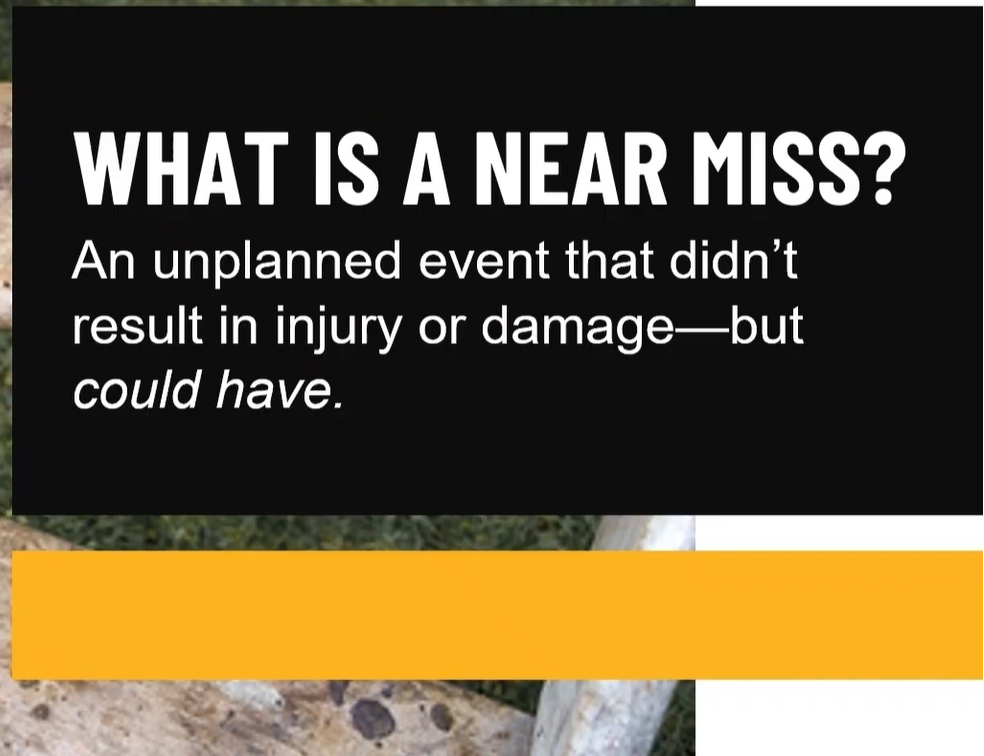
- Establish an incident reporting system and investigate accidents and near misses.
- Maintain records of safety training, incidents, and corrective actions.
- Conduct regular safety inspections and audits.
- Develop emergency response plans for various scenarios.
- Train employees on emergency procedures and evacuation routes.
- Establish procedures for reporting and handling hazardous materials.
- Implement a process for evaluating & selecting contractors based on safety criteria.
- Monitor and comply with applicable safety regulations and standards.
- Establish a safety committee or designate safety representatives.
- Conduct regular safety meetings and toolbox talks.
- Encourage workers to actively participate in safety programs.
Workplace Hazard Control:
- Implement engineering controls to eliminate or minimize hazards.
- Regularly maintain and inspect machinery and equipment.
- Implement lockout/tagout procedures for equipment maintenance.
- Control exposure to hazardous substances through ventilation, containment, or substitution.
- Implement procedures to prevent falls from heights.
- Provide guardrails, handrails, and fall protection systems.
- Establish safe procedures for working in confined spaces.
- Implement procedures to control noise levels and prevent hearing loss.
- Implement procedures to control exposure to vibration.
- Implement procedures to control exposure to radiation.
- Establish procedures for handling, storing, and disposing of hazardous materials.
- Store flammable and combustible materials safely.
- Implement fire prevention measures, including fire alarms and extinguishers.
- Establish procedures for hot work and welding operations.
- Implement procedures for working in extreme temperatures or weather conditions.
Personal Protective Equipment (PPE):
- Assess the need for PPE based on hazards on the job.
- Provide suitable and properly fitted PPE to workers.
- Train workers on proper use, maintenance, and limitations of PPE.
- Establish procedures for inspecting, repairing, and replacing PPE.
- Ensure availability of appropriate PPE for visitors and contractors.
Electrical Safety:
- Ensure compliance with electrical codes and standards.
- Conduct regular inspections of electrical systems.
- Implement procedures for working on or near energized equipment.
- Provide workers with appropriate electrical safety training.
- Inspect and maintain electrical cords, plugs, and outlets.
Workplace Ergonomics:
- Assess and minimize ergonomic risks in workstations and job tasks.
- Provide ergonomic equipment and tools to reduce strain and injuries.
- Train workers on proper lifting, pushing, and carrying techniques.
- Encourage regular breaks and rotation of tasks to prevent fatigue.
- Provide ergonomic seating and adjustable workstations.
First Aid and Medical Care:
- Establish and maintain a first aid program.
- Provide first aid kits and supplies in accessible locations.
- Establish procedures for reporting and treating workplace injuries.
- Train designated employees in first aid and CPR.
- Establish and maintain contact with medical facilities for emergency medical care.
Safety Culture and Leadership:
- Foster a positive safety culture throughout the organization.
- Lead by example and demonstrate a commitment to safety.
- Recognize and reward safe behaviors and contributions to safety.
- Conduct safety perception surveys to assess the safety culture.
- Actively involve employees in safety decision-making processes.
Workplace Security:
- Develop a workplace security plan.
- Control access to the workplace through secure entry points.
- Implement security measures to prevent unauthorized access.
- Install surveillance systems and alarm systems, if necessary.
- Train employees on recognizing and reporting security threats.
Workplace Safety Training:
- Identify specific safety training needs for each job role.
- Provide general safety orientation for all new employees.
- Train employees on job-specific hazards and safe work practices.
- Provide refresher training on a regular basis.
- Document and maintain records of safety training.
Contractor and Visitor Safety:
- Communicate safety rules and expectations to contractors and visitors.
- Ensure contractors have appropriate safety policies and programs in place.
- Verify that contractors are qualified and trained for the work they perform.
- Conduct safety orientations for contractors and visitors.
- Monitor contractor compliance with safety requirements.
Safety Documentation and Recordkeeping:
- Establish a system for documenting safety policies, procedures, and training.
- Maintain records of safety inspections, incidents, and corrective actions.
- Retain records in accordance with applicable regulations.
- Review and update safety documentation on a regular basis.
- Ensure accessibility and confidentiality of safety records.
Workplace Mental Health:
- Promote mental health awareness and provide resources for support.
- Establish policies to prevent workplace harassment and bullying.
- Train employees on recognizing signs of mental health issues.
- Provide access to counseling services or employee assistance programs.
- Encourage work-life balance and stress management practices.
Safety Communication and Awareness:
- Establish effective communication channels for safety-related information.
- Display safety posters, signs, and warnings throughout the workplace.
- Conduct regular safety campaigns and awareness programs.
- Encourage employees to report safety concerns and suggestions.
- Communicate safety performance and achievements to all employees.
Safety Performance Evaluation:
- Establish safety performance metrics and targets.
- Regularly monitor and evaluate safety performance.
- Analyze safety data to identify trends and areas for improvement.
- Conduct safety audits and inspections by qualified personnel.
- Benchmark safety performance against industry standards.
- Implement corrective actions to address identified deficiencies.
- Continuously improve the safety program based on lessons learned.
- Conduct management reviews of safety program effectiveness.
- Seek feedback from employees and stakeholders on safety performance.
- Stay updated on relevant safety regulations and industry best practices.