A top OSHA and worker safety blog from industry veterans. Read the latest OSHA news and find critical safety tips to keep your workers safe. Check Often!
OSHA News & Workplace Safety Blog
-

2020 OSHA Penalty Amounts Increased
Understanding OSHA’s Penalty Adjustments Until five years ago, OSHA had not raised their penalty amounts since 1990. Now, with the Inflation Adjustment Act, OSHA is required to annually adjust penalty amounts by January 15th.
-
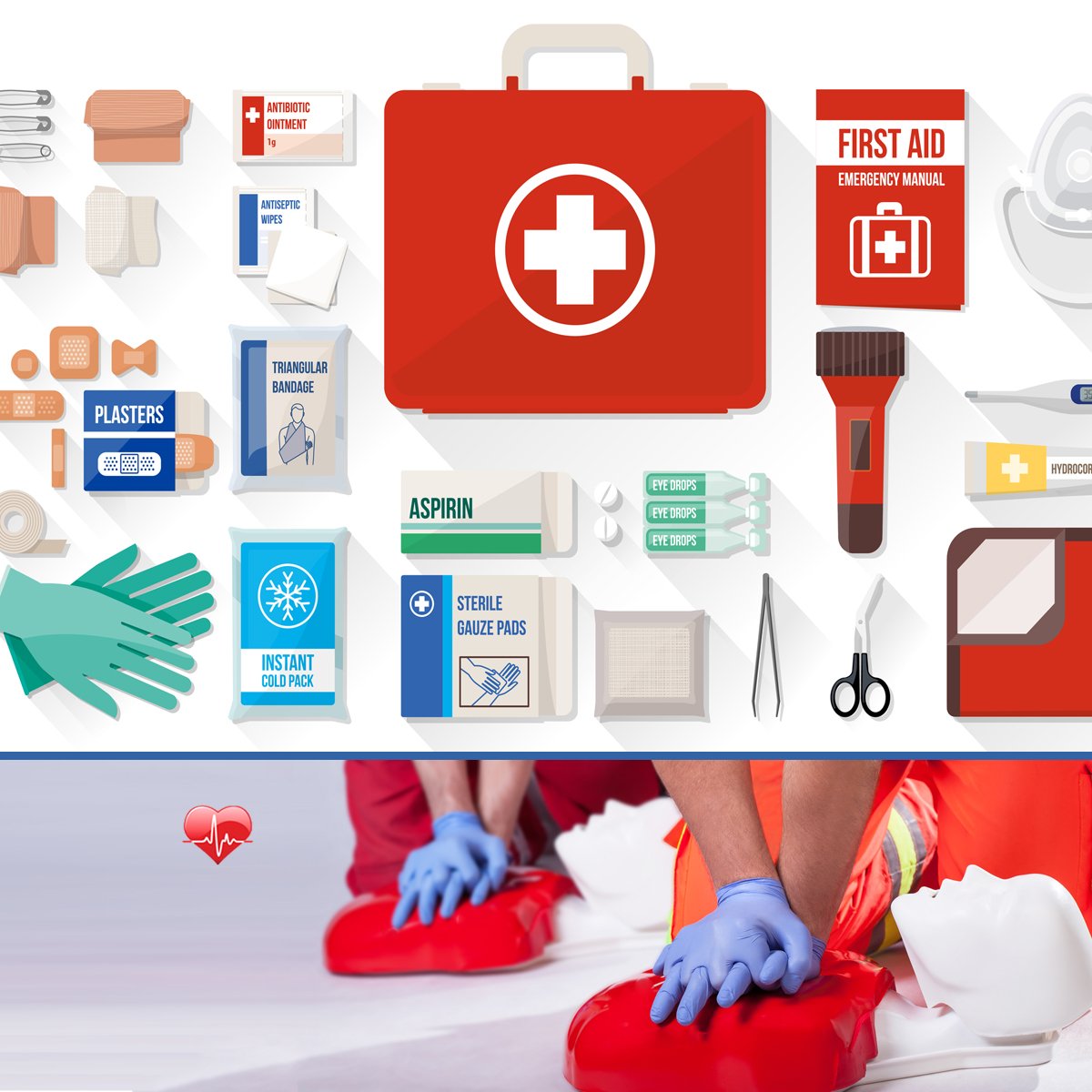
First Aid/CPR Requirements for Employers
Does OSHA Require First Aid/CPR Training? Many employers today wonder what the requirements are when it comes to training their employees in First Aid/CPR. Is it, or is it not required? Will employers be held liable or at fault if none of their employees are trained? What is the right thing to do?
-

What You Need to Know for the Year Ahead
OSHA has been busy this last year issuing several significant updates and new rules regarding workplace safety. Employers must stay ahead of these changes to ensure compliance and foster a safer, healthier work environment for their employees. Here’s a rundown of the key updates for 2024 and beyond!
-

What is BBS and HOP?
-
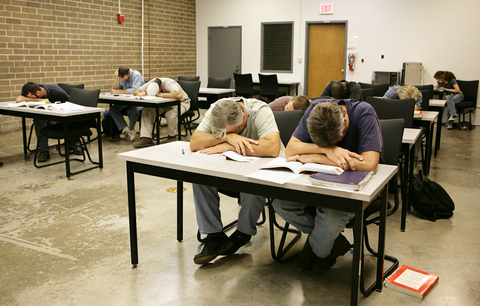
7 Tips for Effective Safety Training Meetings
Stop Boring Your Safety Training Audience with These 7 Effective Tips How do you turn around an unresponsive audience & have a great classroom safety training session or safety committee meeting?
-
Trump Administration’s Effect on OSHA in 2017
The Trump Administration’s Effect on OSHA in 2017
-

Why are Safety Committees Important?
Why are Safety Committees Important? Safety committees can have a significant impact on a company because they provide you with the opportunity to sit down with front line workers to discuss prominent safety concerns. Safety committees set a great example for worker safety and allow them to hold an important role in keeping not only themselves, but their coworkers safe. How can it transform your safety culture? By including employees from all levels of the company, you can focus on specific work-related injuries within your own organization. The employees that are outperforming work on a daily basis know the ins and outs of how a task is complete and can help identify hazards that management may have overlooked. Then, management can work with the employees to implement corrective actions expressed during the safety committee discussion. Did you know that establishing a safety committee may also save money on your workers’ compensation premiums? Lately, these premiums are skyrocketing and can be a growing expense for your company. This can affect a business’s competitiveness and overall, their bottom line. Certain states do offer worker’s compensation premium discounts to those who have a state-certified workplace safety committee. These discounts vary by state so it is best to contact your state workers’ compensation bureau and insurance company to discuss what types of discounts are available in your area. You can also find more information about available discounts here. Elements of a Successful Safety Committee Core elements that should be in place to allow your safety committee to thrive: Have management representation and involvement. Hold regular meeting times and clear roles for the committee members. Prioritize topics and set goals so the discussion stays on track. Follow through with member issues by implementing corrective actions and completion dates. Recruiting at least one member from every department. Develop a meeting agenda and take minutes to keep track of discussions. Review current trends in your own organization and allow for an open discussion. Involve members in incident investigations and workplace inspections. Are you ready to take the next step??? How to easily establish a safety committee: Decide who will initially be a part of the safety committee. Some roles that need to be established are: Chair Person Vice Chair Committee members Subcommittees Also determine who is responsible for executing complex decisions and handling conflicts should they arise. The next step is dealing with the logistics of the meeting. When and where will the committee meet? Typically, these meetings should be held monthly but everyone’s situation is different. You can conduct a formal meeting in a conference room or you can try a ‘mobile meeting’ by walking through the workplace. This allows you to notice and address items on the spot. Then we want to decide how the agenda will be established as well as who will take and keep track of the meeting minutes. Step 3 is crucial to have a fully functioning committee; you need organization and structure. An agenda should be set along with corresponding minutes to account for the discussion held, questions, follow-up items etc. Having this information organized and available will allow your committee to meet each month with accurate information that can be addressed in a functioning manner. The final step is involvement. Employees, Supervisors, and Management will all be involved so lines of communication need to stay open. It’s important to remember that each person’s voice and opinion matters and what they bring to the table should be acknowledged and/or addressed. Build a safety culture by implementing an effective safety committee!
-

An Employer’s Guide to First Aid Kits
What exactly is “OSHA First Aid,” and what do you need to do to comply with regulations for your industry? Suppliers will often try to sell you what they offer, rather than what you need, and you, as either an employer or a supervisor, can be held both criminally and civilly liable if your workplace is not in compliance. Medical and first aid issues are the 19th most frequently cited of all OSHA violations.
-
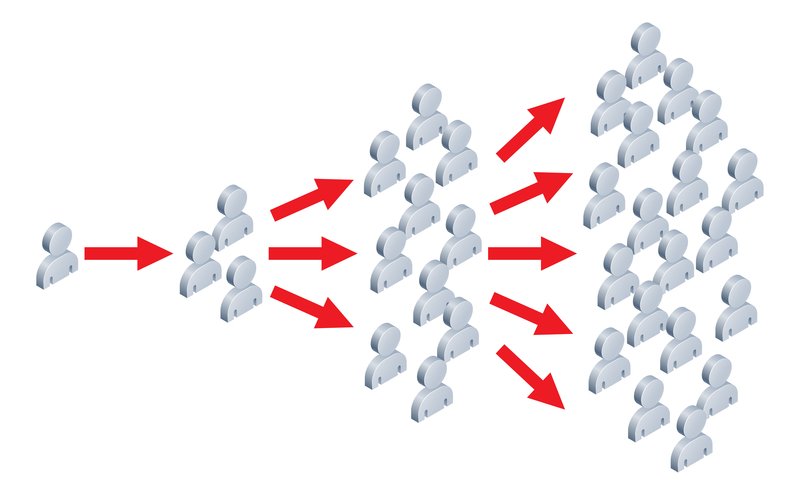
Safety Begins with Management
Management’s commitment complimented by employee involvement plays a key role in establishing a strong safety culture throughout a company. Without managements support, it can be an on-going battle to sustain employee involvement and encourage everyone to take safety seriously. Without employee involvement, injuries and illnesses will be more prevalent in the workplace.
-

When Employees Don’t Follow Workplace Safety Rules
Employers are Responsible for Workplace Safety OSHA requires employers to maintain a workplace free from employee health and safety risks per the General Duty Clause of the OSH Act.
Subscribe
-

Want Bigger Jobs?
The Key to Getting the Big Jobs