A top OSHA and worker safety blog from industry veterans. Read the latest OSHA news and find critical safety tips to keep your workers safe. Check Often!
OSHA News & Workplace Safety Blog
-

The Impact of Driving/Working While Impaired
I’m Fine… I Can Drive Have you ever heard someone say they can drive after having a few drinks or have you even said this yourself? Nobody wants to be lectured on drinking and driving but people still make the choice to do it. We also have to worry about people driving under the influence of narcotics.
-

Walking/Working Surfaces Final Rule
OSHA Issues Walking/Working Surfaces Final Rule OSHA issued a new final rule that updates and revises the general industry Walking/Working Surfaces and Personal Fall protection Systems standards on slip, trips, and fall hazards.
-

The Basics of Personal Protective Equipment
What is Personal Protective Equipment? Personal Protective Equipment, more commonly referred to as PPE, is equipment which is worn to minimize exposure to a variety of hazards. Examples include:
-

OSHA Fines Increasing Drastically
When Will OSHA Raise Fines? Different sources have been reporting for months now that OSHA was planning on raising civil penalties. Now, we’re able to confirm that starting August 2016, OSHA will in fact be raising citation amounts. The increased citation values are only applicable to civil penalties assessed after Aug. 1, 2016 and whose associated violations occurred after Nov. 2, 2015. This information came after OSHA released their official News Release on June 30, 2016.
-

An Employer’s Guide to First Aid Kits
What exactly is “OSHA First Aid,” and what do you need to do to comply with regulations for your industry? Suppliers will often try to sell you what they offer, rather than what you need, and you, as either an employer or a supervisor, can be held both criminally and civilly liable if your workplace is not in compliance. Medical and first aid issues are the 19th most frequently cited of all OSHA violations.
-
OSHA Final Rule: Injury Tracking
OSHA Issues a Final Rule to Improve Tracking of Workplace Injuries & Illnesses The final rule requires certain employers to electronically submit injury & illness data to OSHA that they already required to maintain under OSHA regulations. The content of these establishment-specific submissions depends on the size and industry of the employer.
-
Safety Begins with Management
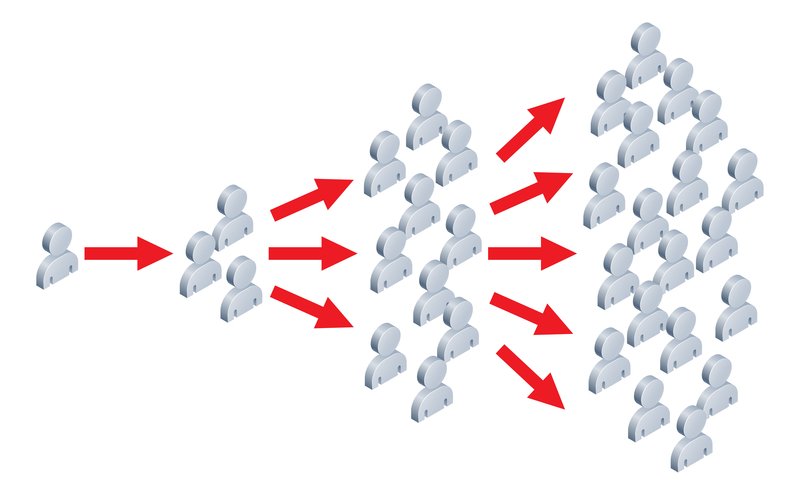
Management’s commitment complimented by employee involvement plays a key role in establishing a strong safety culture throughout a company. Without managements support, it can be an on-going battle to sustain employee involvement and encourage everyone to take safety seriously. Without employee involvement, injuries and illnesses will be more prevalent in the workplace.
-
OSHA’s Two New Final Rules in 2016
Employer Compliance Anytime OSHA publishes a final rule, it is important for companies to be informed. Employers are expected to comply with all applicable OSHA regulations even if they weren’t aware of their existence. So far in 2016, OSHA has released two new final rules which are as follows:
-

When Employees Don’t Follow Workplace Safety Rules
Employers are Responsible for Workplace Safety OSHA requires employers to maintain a workplace free from employee health and safety risks per the General Duty Clause of the OSH Act.
-
FAQs About Safety Data Sheets (SDS)
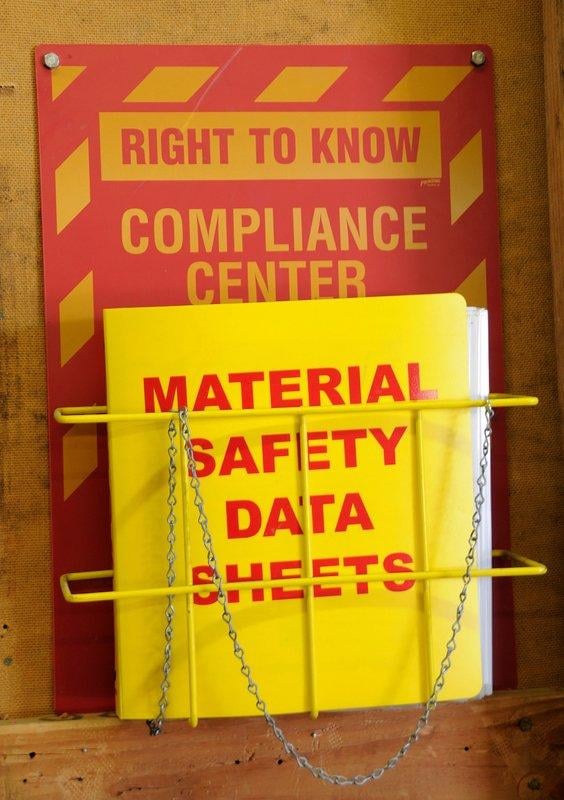
What is included in a Safety Data Sheet? A Safety Data Sheet (SDS) includes important information such as what each chemical consists of; the possible physical, health, and environmental health hazards; protective measures; and safety precautions for handling, storing, and the transportation of the chemical. What kind of products do you need to have an SDS on file for? Safety Data Sheets should be obtained for each hazardous chemical that is produced, imported, or used in the workplace. Some examples of products that you would need an SDS for would typically include paints, cleaners, solvents, sealants, lubricants, compressed gases, fuels, etc. Where do you keep them? It is recommended that SDSs are maintained in a hard copy log format which includes all applicable chemicals in that particular workplace. Multiple logs or additional copies of SDSs may be necessary to ensure that all employees have access to the information. In addition to or in replacement of a SDS log would be the use of an online system or database that houses your company’s Safety Data Sheet library. If you choose to use the electronic format, the SDSs must be readily accessible to all employees during each work shift while ensuring that no barriers exist to obtain the information. How long do you need to keep the SDS? It is often said that you need to keep applicable M/SDSs for 30 years, but if you choose not to, then you are only required by OSHA to keep record of the identity (chemical name if known) of the substance/agent and also the information about where/when it was used. Here is a link to a letter of interpretation that discusses the somewhat contradictory requirements of the Hazard Communication and Retention of Exposure Records standards. What is the difference between a MSDS and a SDS? MSDS refer to the acronym Material Safety Data Sheet while SDS refers to Safety Data Sheet. Although the name has changed, the required information has not. OSHA’s recent Hazard Communication standard revision incorporates a standardized, specific format for which SDS information must be presented in. This specific format is also aligned with the ANSI standard format and is widely used in the US. Can you convert a MSDS into the SDS? Can you write an SDS? The products’ manufacturer is the only responsible party for updating this material. If you are the manufacturer of the product, we recommend that you refer to OSHA’s website for guidance on the new SDS 16-section format, but also consult an SDS authoring service to ensure that all compliance needs are met. Lancaster Safety can help develop or update your company’s SDS log, just give us a call at (724) 776-1003!
Subscribe
-
MultiEmployer Worksites – Who has Control?
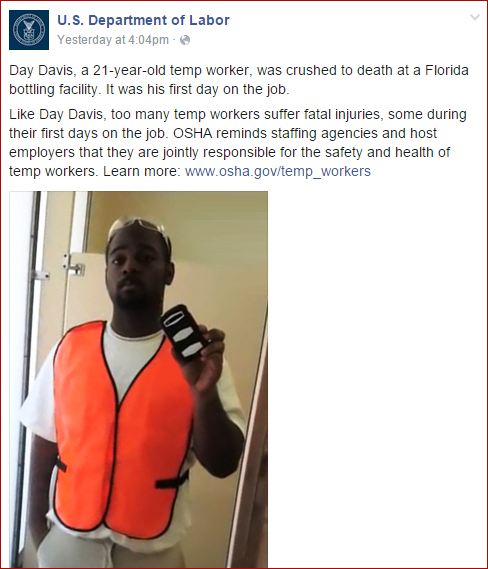
MultiEmployer Worksites and the Role of Staffing Agencies WHY HIRE TEMP EMPLOYEES? Over the past 30 years it has become increasingly common for businesses, particularly manufacturing, to hire employees on a temporary status. This accomplished several objectives. It assisted potential employers to ‘try out’ the employees to determine if they had the work ethic necessary to succeed, to allow their staffing requirements to flex in accordance with their workload, and to off load some of the liabilities associated with workers and the production process.