More on Safety & OSHA Compliance
A Summary of OSHA’s Rules on Trenching & Excavation
Learn about becoming a competent person in trenching and excavation, the importance of protective systems, and additional resources to use to keep your crew safe!
What is a Competent Person?
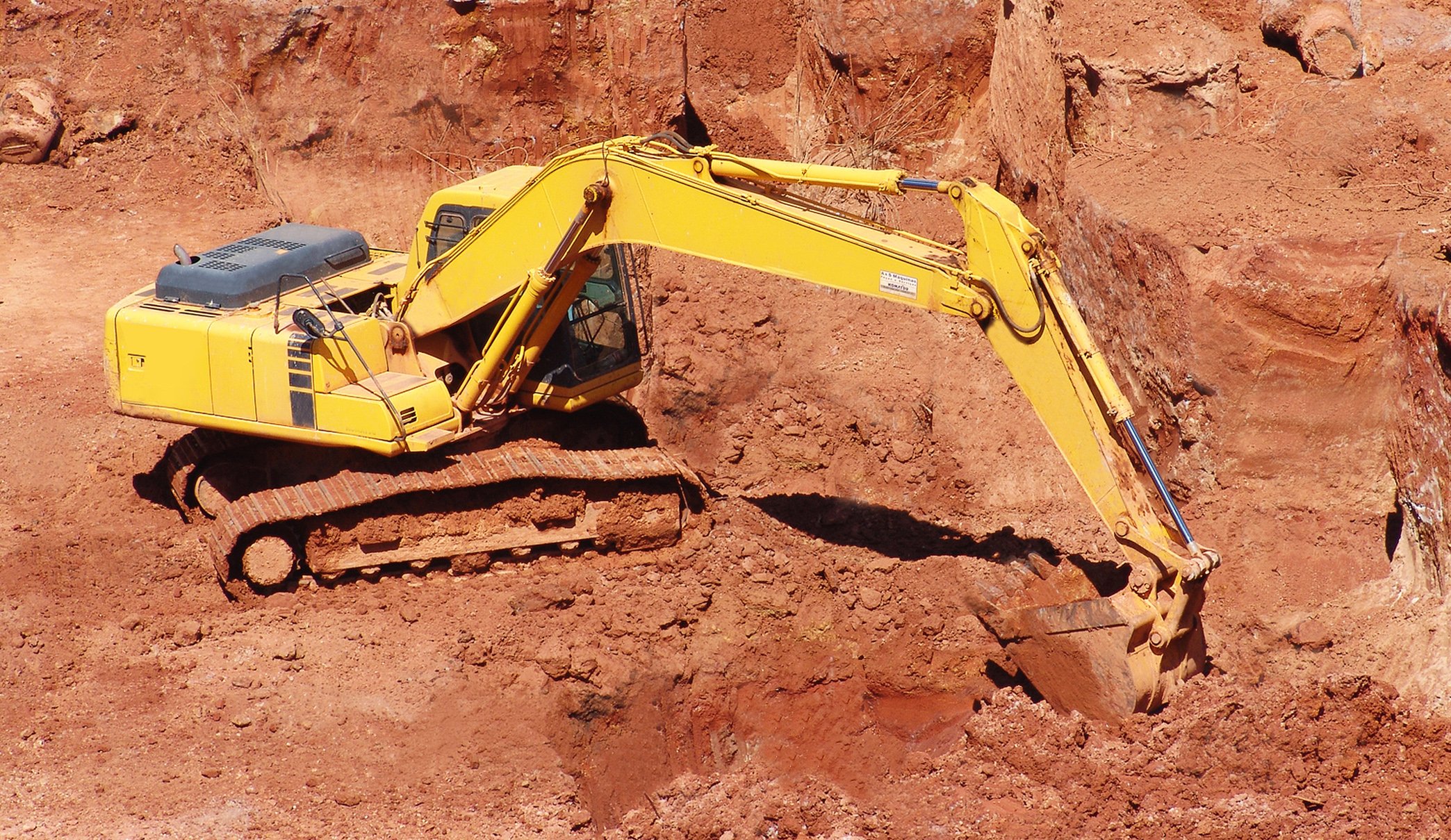
Trenching and Excavation can be a very dangerous task if the OSHA standards are not followed correctly. Many hazards can be associated with excavating such as cave-ins, equipment or soil crushing workers, falling into the trench, water accumulation, hazardous atmosphere, buried gas lines, and struck-by hazards.
A competent person is an individual, designated by the employer, who is capable of identifying existing and predictable hazards in the surroundings or working conditions which are unsanitary, hazardous, or dangerous to workers, and who is authorized to take prompt corrective measures to eliminate them.
While onsite at an excavation project, there needs to be at least one competent person onsite before any worker enters a trench. The competent person will inspect trenches daily and monitor any changes of the trench. This person shall have extensive knowledge in excavation, and be able to determine any potential hazard and take prompt corrective measures to eliminate or control that hazard.
For a detail description of a trenching and excavating competent person, please read this post.
Though only a single competent person is required, we recommend that all employees on the jobsite are familiar with the 1926.651 & 1926.652 trenching and excavation OSHA standards.
The Importance of Protective Systems
- Benching is a type of method where the excavator will dig steps or levels to eliminate the potential of a cave-in. Benching cannot be done in type C soil.
- Sloping is done by cutting back a portion of the excavation to a certain degree to eliminate a cave-in.
- Shoring is a type of method that is done by installing hydraulic beams or other equipment to push against the soil to eliminate any soil movements.
- Shielding is completed by using a trench box that is lowered into the excavation to eliminate any type of cave-in.
Remember This Rule!
5-4-3-2-1 Rule:

Any trench over 5 feet must be protected from a cave-in. A competent person can decide that a protective system is needed if the height is under 5 feet.

Remember the ladder:
Any trench greater than 4 feet must have a ladder for exit and egress.

Remember that the ladder must extend at least 3 feet out of the trench to allow for easy access.

Don’t forget to keep all spoil piles at least 2 feet back from the excavation or trench.

One competent person must be on-site at all times to determine any hazards and to control or eliminate those hazards.

Join Our Webinar Alerts E-mail List