Reviews electrical hazards and safe work practices around energized equipment, including live-part identification, voltage, approach distances, and PPE.


What is NFPA 70E Training?
NFPA stands for the National Fire Protection Association. Their mission is to help in “eliminating death, injury, property and economic loss due to fire, electrical and related hazards.” The National Fire Protection Association’s electrical safety standard is called 70E, which assists in the compliance of OSHA’s 1910 Subpart S and OSHA 1926 Subpart K. NFPA 70E states the requirements for protecting employees from electrical hazards and was developed by the request of OSHA. The hazards covered are shock, arc-flash, electrocution, and arc blasts.
Who Needs NFPA 70E Training?
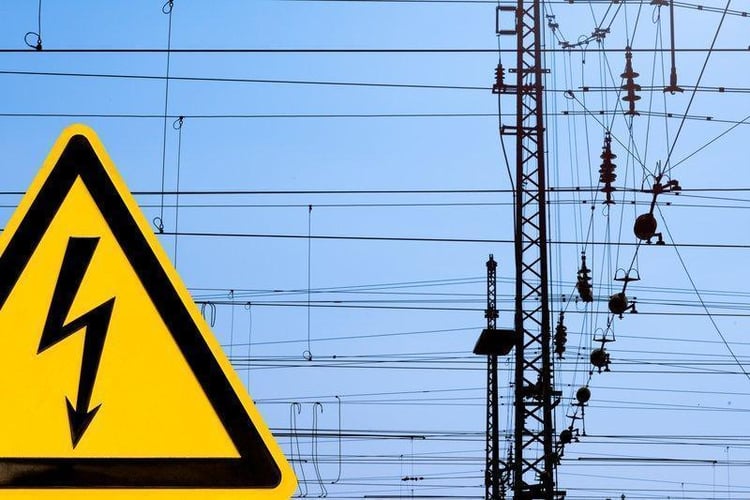
Any professional working with electricity directly needs to be able to understand how to interact safely with obvious and hidden electrical hazards. For example, engineers, electricians or anyone working on or around overhead power lines/cable harnesses/circuit assembles. Even people working in offices who work indirectly with electricity may be exposed to electrical hazards.
Course Overview:
- Safe work practices when working with and near electrical equipment
- Skills and techniques necessary to distinguish exposed live parts
- Skills and techniques necessary to determine nominal voltage of exposed live parts
- Clearance distances specified and corresponding voltages