
 Login
Login
A top OSHA and worker safety blog from industry veterans. Read the latest OSHA news and find critical safety tips to keep your workers safe. Check Often!
OSHA News & Workplace Safety Blog
-
 April, 2026
OSHA’s Heat Enforcement Just Got Stronger. Is Your Workplace Ready?
-
 August, 2025
OSHA 10 & 30 Hour Requirements & Expiration
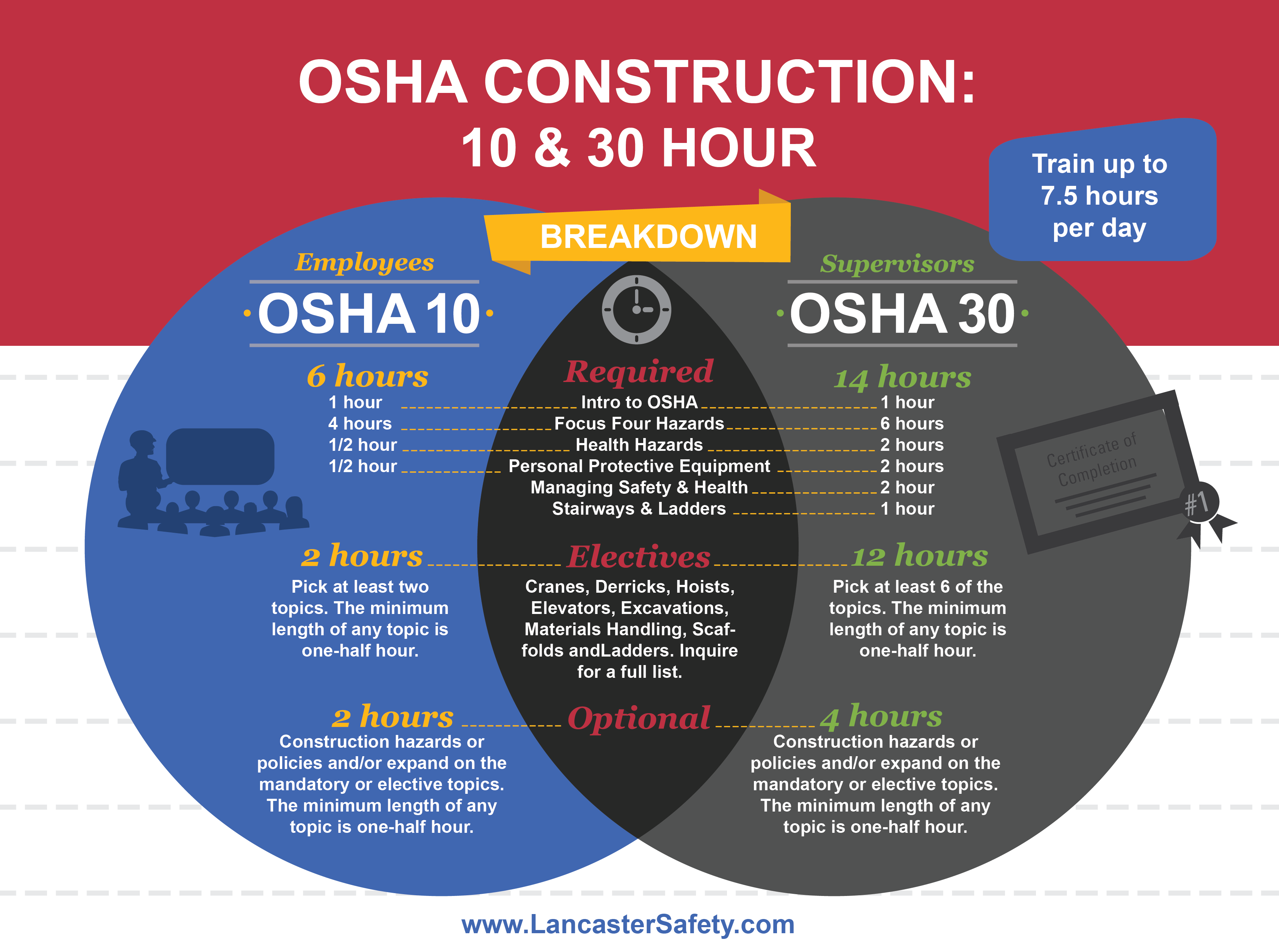
Does OSHA Require 10 or 30 Hour Training? NO! Federal OSHA has not required employees to obtain their 10 or 30 hour OSHA outreach card. If you’re looking for proper safety and health training, you might assume that a 10 or 30 Hour OSHA Outreach Training Class would be the most thorough and OSHA compliant. However, the Occupational Safety & Health Administration (OSHA) doesn’t require a specific training length. OSHA wants to ensure that employers are providing workplace specific training based off of the hazards employees may encounter on the job.
-
 January, 2024
How Much Are OSHA Penalties & Fines?
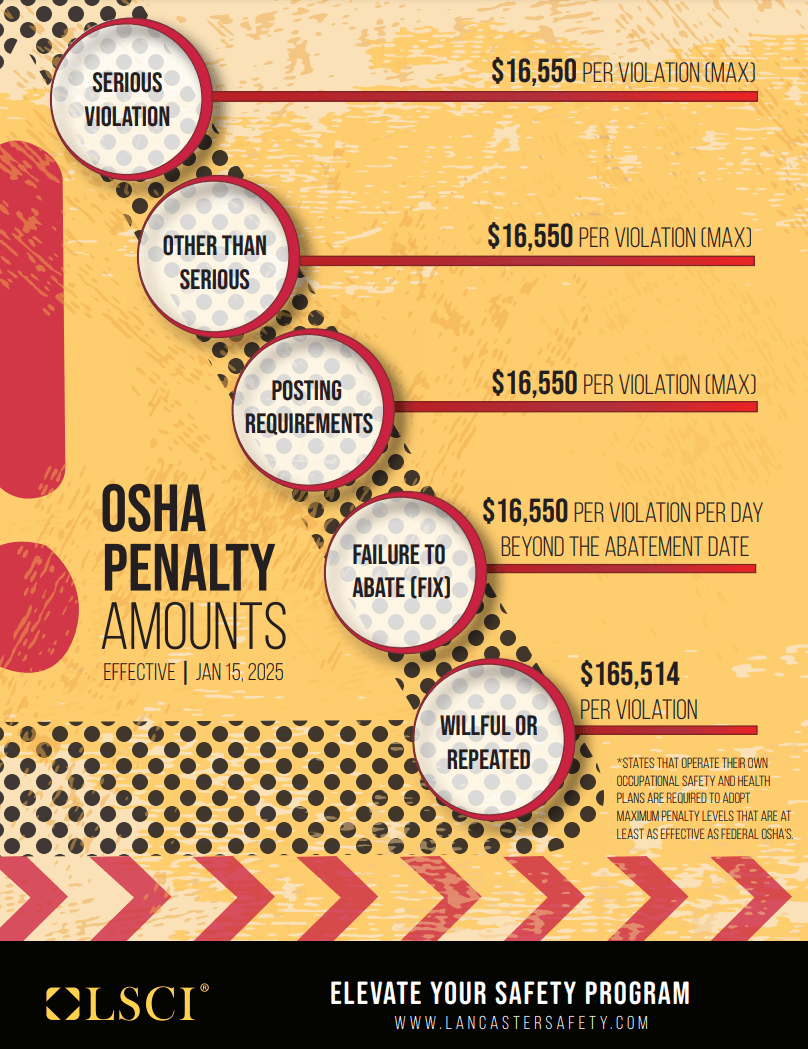
Congress gave OSHA the authority to fine employers for violating safety standards. From 1990 to 2015, penalties were capped at $7,000 per serious, other-than-serious, or posting violations, and $70,000 for willful or repeat violations.
-
 January, 2024
How to Electronically Submit OSHA 300, 300A, and 301 Forms
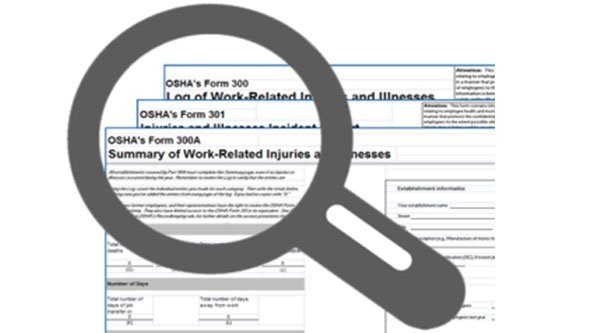
Summary of OSHA Reporting Submission Requirements For many years, OSHA has required certain employers to submit summaries (Form 300A) of their workplace injury and illness incidents for baseline data on the health and safety of America’s workforce. A new rule, effective January 1st, 2024 requires many businesses to also submit additional OSHA forms (300 log and 301 incident reports) electronically to OSHA by March 2nd of each year. This enables the agency to dig deeper into workplace injury or illness data for insights that improve enforcement or drive new regulations to protect workers. To comply with this new electronic submission rule, we recommend using OSHA’s ITA Coverage Tool to determine if your organization must submit reports. If you are required to submit these forms, use the Injury Tracking Application tool to submit them. What is worrisome for many companies is that these forms will be made publicly available with the company name which further emphasizes the need for a comprehensive safety program to avoid being seen as an unsafe employer. Lastly, according to a 2018 OSHA Memorandum, if a company is inspected by OSHA and it failed to submit these forms if required to, it may result in an Other-Than-Serious citation and fine, even if no specific safety violation was found. We strongly encourage everyone to comply with their specific OSHA recordkeeping and reporting requirements in addition to having a strong safety program in place.
-
 January, 2020
2020 OSHA Penalty Amounts Increased
Understanding OSHA’s Penalty Adjustments Until five years ago, OSHA had not raised their penalty amounts since 1990. Now, with the Inflation Adjustment Act, OSHA is required to annually adjust penalty amounts by January 15th.
-
 September, 2019
OSHA Final Rule: Respirator Fit Testing
-
 January, 2019
Recordkeeping & Reporting FAQs
-
 January, 2018
Trump Administration’s Effect on OSHA in 2017
The Trump Administration’s Effect on OSHA in 2017
-
May, 2016
OSHA Final Rule: Injury Tracking
OSHA Issues a Final Rule to Improve Tracking of Workplace Injuries & Illnesses The final rule requires certain employers to electronically submit injury & illness data to OSHA that they already required to maintain under OSHA regulations. The content of these establishment-specific submissions depends on the size and industry of the employer.
-
March, 2016
OSHA’s Two New Final Rules in 2016
Employer Compliance Anytime OSHA publishes a final rule, it is important for companies to be informed. Employers are expected to comply with all applicable OSHA regulations even if they weren’t aware of their existence. So far in 2016, OSHA has released two new final rules which are as follows:
Subscribe
-
May, 2015
OSHA Ruling on Confined Spaces
Protecting Workers in Confined Spaces The rule will provide construction workers with protections similar to those manufacturing and general industry workers have had for more than two decades, with some differences tailored to the construction industry. These include requirements to ensure that multiple employers share vital safety information and to continuously monitor hazards – a safety option made possible by technological advances after the manufacturing and general industry standards were created.